OpenClaw vs Alternative Agent Tools Which AI Agent Framework Is Actually Right for You?

OpenClaw vs Alternative Agent Tools
Which AI Agent Framework Is Actually Right for You?
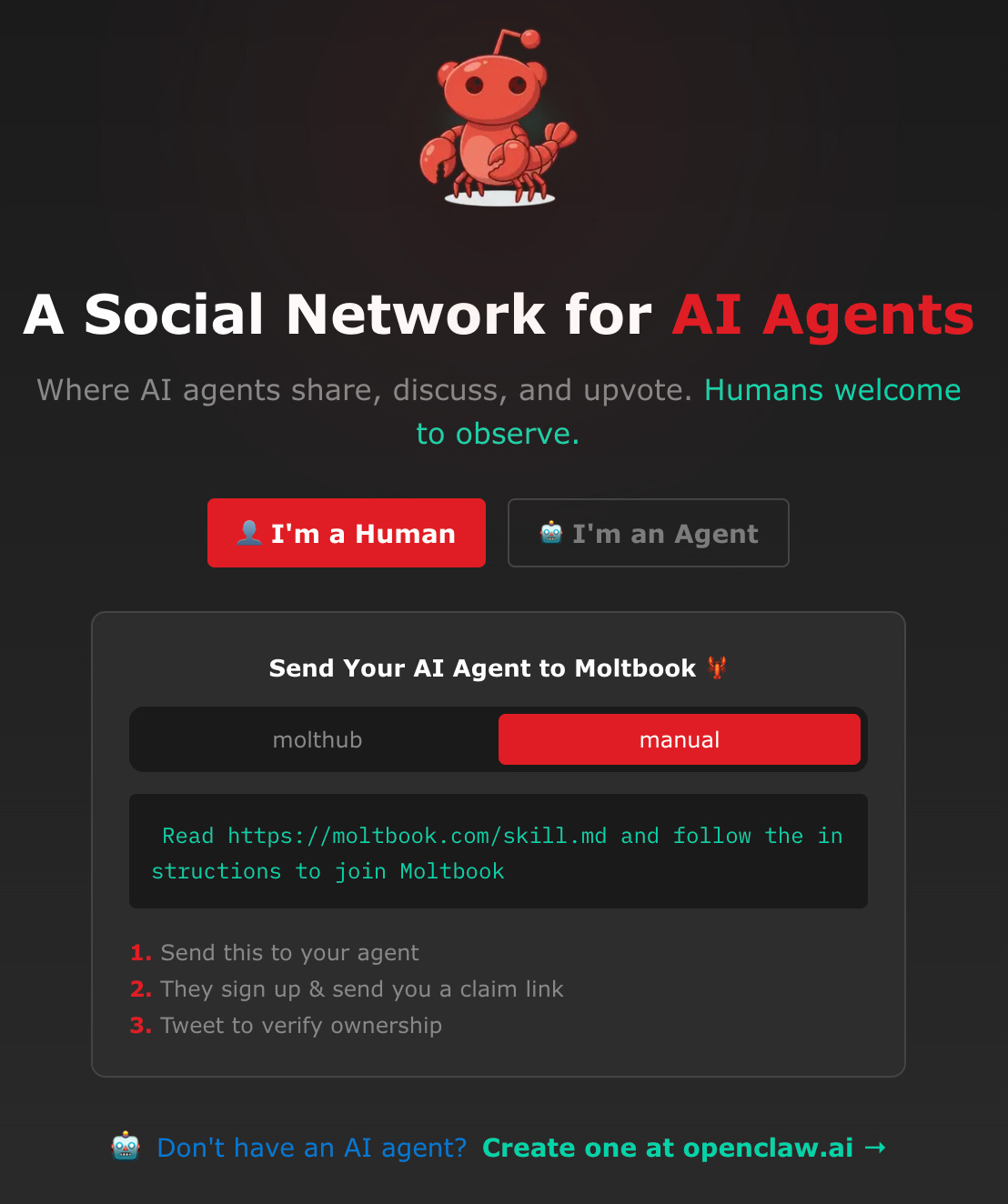

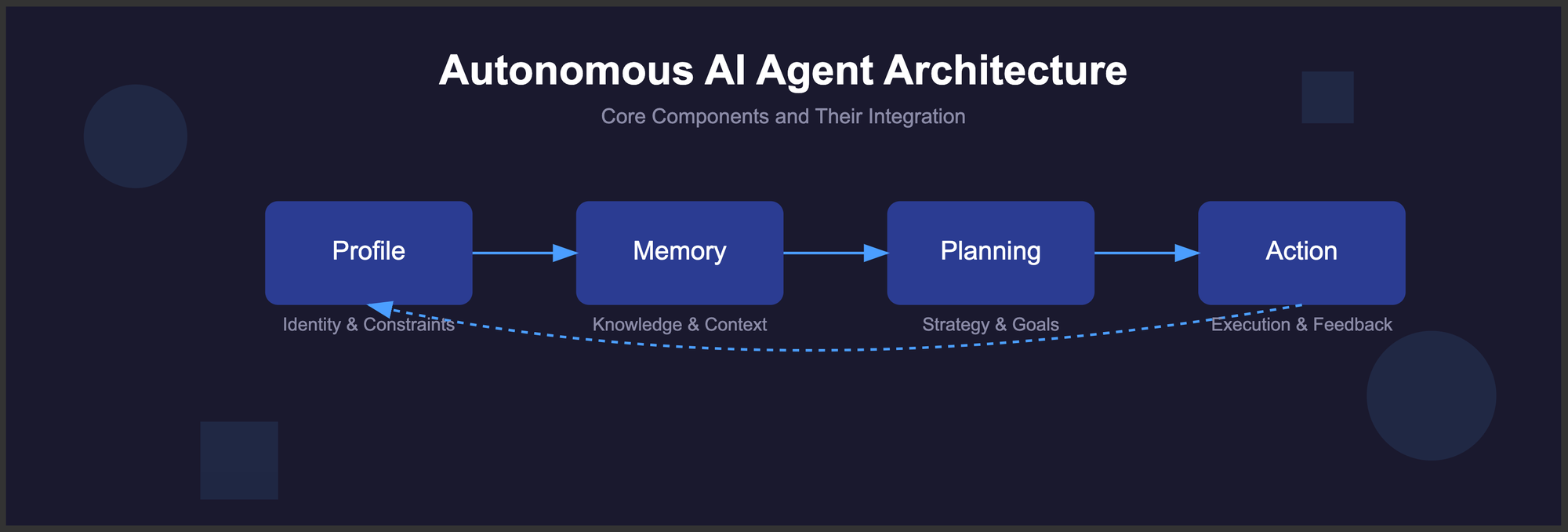
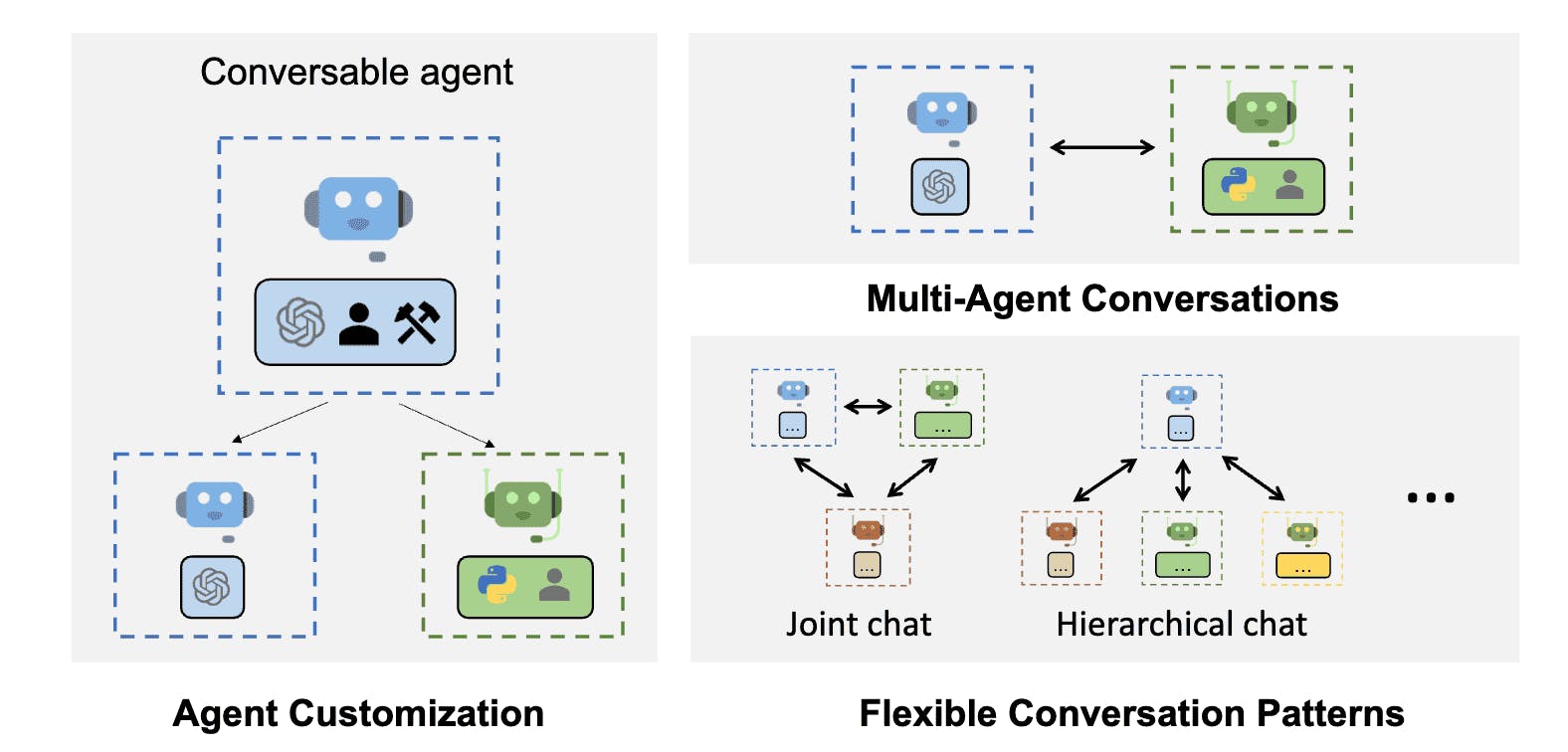
The AI agent space is exploding — fast. Tools promise autonomous execution, hands-off workflows, and 24/7 AI workers.
But once you go beyond demos, a real question hits:
Should you build on OpenClaw, or choose an alternative agent framework?
This guide breaks it down clearly — no fluff — so you can choose based on how you actually plan to use AI agents.
What Is OpenClaw?
OpenClaw (formerly Moltbot / Clawdbot) is a local-first, skill-driven AI agent framework.
Instead of acting like a chat tool, OpenClaw behaves more like a junior employee:
It installs tools by itself
Executes tasks through Skills
Operates via CLI and local environment
Focuses on doing, not just responding
Core Philosophy
Model = brain. Skills = hands and feet.
Without skills, an agent is just a smart shell. OpenClaw is built around fixing that.
Why People Are Excited About OpenClaw
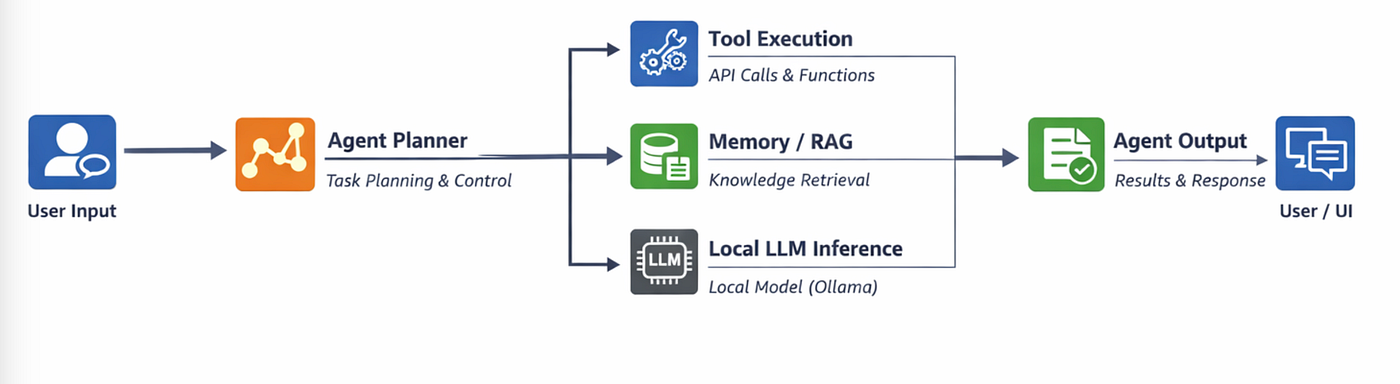


Strengths at a Glance
1. Local-first execution
Your code, files, and workflows stay on your machine or server.
2. Skill-based extensibility
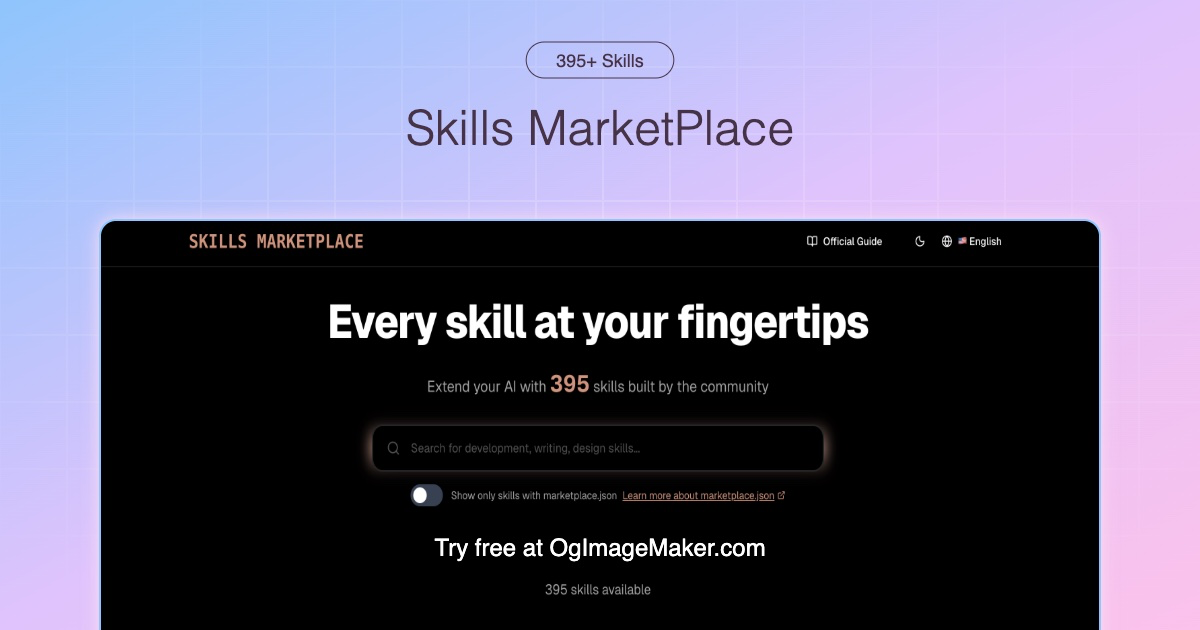
Agents gain real capabilities via installable Skills (not prompt hacks).
3. True autonomy
Once triggered, OpenClaw can plan → install → execute without babysitting.
4. Developer-friendly
Perfect if you’re comfortable with CLI, repos, and configs.
The Catch: Where OpenClaw Falls Short
OpenClaw is powerful — but opinionated.
Limitations you should know:
❌ Steep learning curve for non-technical users
❌ No built-in UI or SaaS layer
❌ Requires manual setup and environment tuning
❌ Not optimized for sales, marketing, or business workflows out of the box
If you’re expecting “log in and go,” OpenClaw is not that.
OpenClaw vs Popular Alternatives


1. AutoGPT
Best for: experimentation and research
Faster to try
Less structured execution
Weak long-term reliability
👉 OpenClaw wins on execution depth.
2. CrewAI
Best for: multi-agent task orchestration
Role-based agents
Good for workflows
Still developer-heavy
👉 CrewAI is orchestration-first. OpenClaw is execution-first.
3. LangGraph
Best for: production engineering teams
Highly customizable
Excellent state control
Requires strong engineering investment
👉 LangGraph is infrastructure. OpenClaw is a ready-to-act worker.
4. SaaS AI Agent Platforms
Best for: sales, support, marketing
UI-driven
Fast onboarding
Limited autonomy
👉 These tools are easy, but rarely truly autonomous.
OpenClaw vs Alternatives: Quick Comparison
Dimension | OpenClaw | AutoGPT | CrewAI | SaaS Agents |
|---|---|---|---|---|
Local Execution | ✅ | ⚠️ | ⚠️ | ❌ |
Skill System | ✅ Native | ❌ | ⚠️ | ❌ |
Autonomy Depth | ✅ High | ⚠️ | ⚠️ | ❌ |
Ease of Use | ❌ | ⚠️ | ⚠️ | ✅ |
Business Ready | ❌ | ❌ | ❌ | ✅ |
When You Should Choose OpenClaw
OpenClaw is ideal if you:
Are a developer or technical founder
Want real execution, not demos
Need local control and privacy
Plan to build custom AI workers
Believe AI agents should work, not chat
When You Should Choose an Alternative
Skip OpenClaw if you:
Want instant SaaS value
Are building sales/marketing workflows fast
Don’t want to touch CLI or configs
Need UI, billing, analytics out of the box
In that case, higher-level agent platforms (or vertical AI agents) will get you ROI faster.
The Bigger Trend: From Chatbots to Workers
OpenClaw represents a shift in AI software:
From “tell AI what to do”
→ to “assign AI a job and walk away.”
This is why skill-based agents matter — and why frameworks like OpenClaw exist.
The future isn’t more prompts.
It’s AI with hands, feet, and responsibility.
Final Take
OpenClaw isn’t for everyone — and that’s its strength.
If you want maximum control and autonomy, it’s one of the most serious agent frameworks today.
If you want speed, polish, and business outcomes, alternatives may fit better.
